
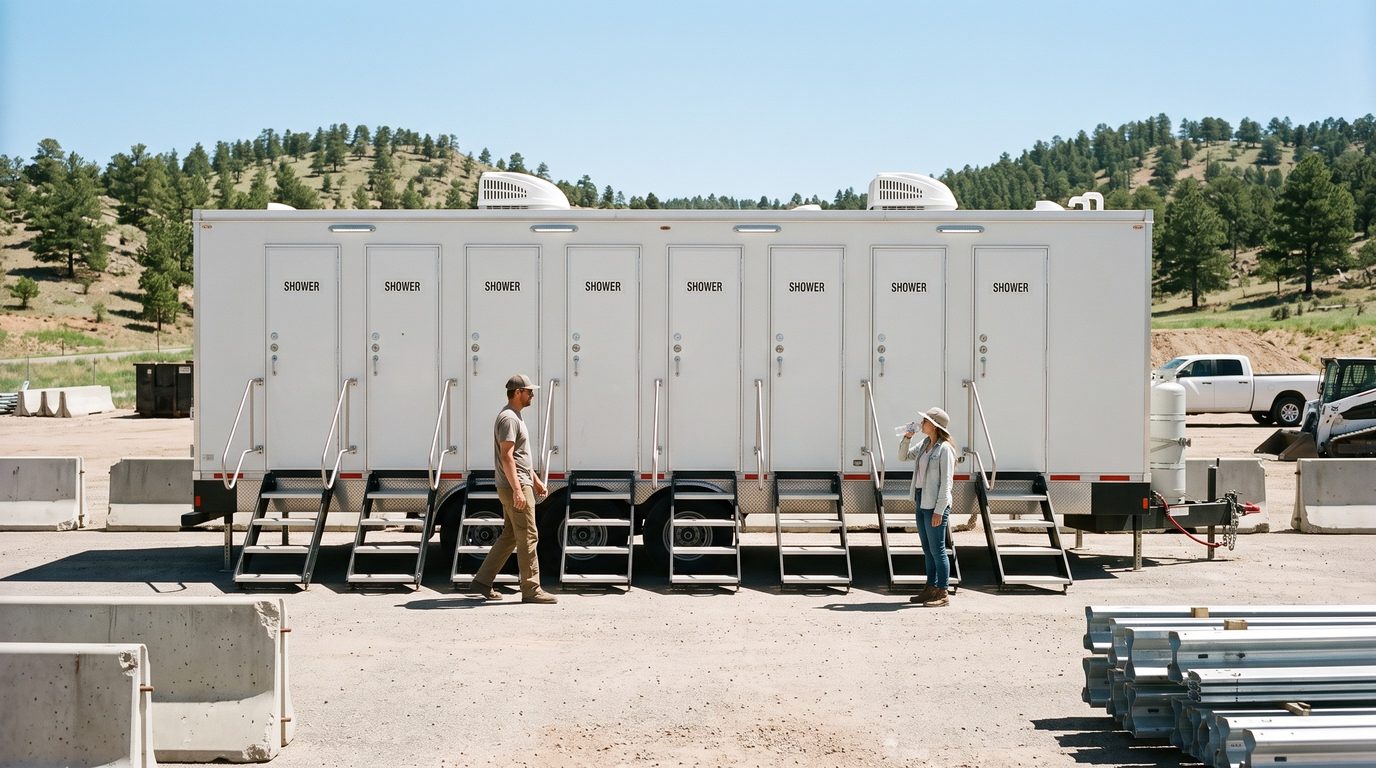
Crew showers used to be a nice extra on a Colorado jobsite. They are closer to a requirement now, and the reason is simple. If you are asking people to work a long hitch on a remote pad in Rio Blanco County, or a mountain highway job where the nearest motel is an hour of winding road away, the condition they are in by the end of a shift decides whether they come back next hitch. Clean, warm and rested is a retention strategy, not a perk.
We place shower trailers on construction sites, energy sites and working ranch land all over Colorado, from the Denver and Englewood metro out to the Western Slope and down into the southwest. Here is how those placements actually work.
Why crews on site instead of crews in town
The math that matters is windshield time. A crew that drives an hour each way to a motel loses two hours a day, arrives tired, and burns fuel and per diem doing it. On a remote job there may be no rooms at all, or the rooms may be full of the other three contractors working the same corridor.
Housing a crew on or near the site changes the whole shape of the day. People get more sleep. Start times get earlier and safer. Turnover drops, and on a tight labor market in Colorado that is the number the superintendent actually cares about. The showers are the piece that makes on site housing tolerable rather than something people endure for two weeks and then quit over.
There is also a hygiene and safety angle. Crews working in dust, concrete, insulation, drilling mud or livestock do not belong in a bunk or a truck cab without washing first. Getting that off people at the end of the shift keeps the whole camp healthier.
Certificates of insurance on request.
Any town, quoted with a haul time.
Quotes and bookings on the call.
COJobsite notes
Reviews from construction, energy and ranch crew rentals
Rated 5 out of 5
Four months on a highway job near Vail and the service visits never slipped. The crew stopped asking to leave early.
Rated 5 out of 5
Our crew was on the place for six weeks through calf season. The trailer ran off our well and a long power run from the shop.
Western Slope energy work
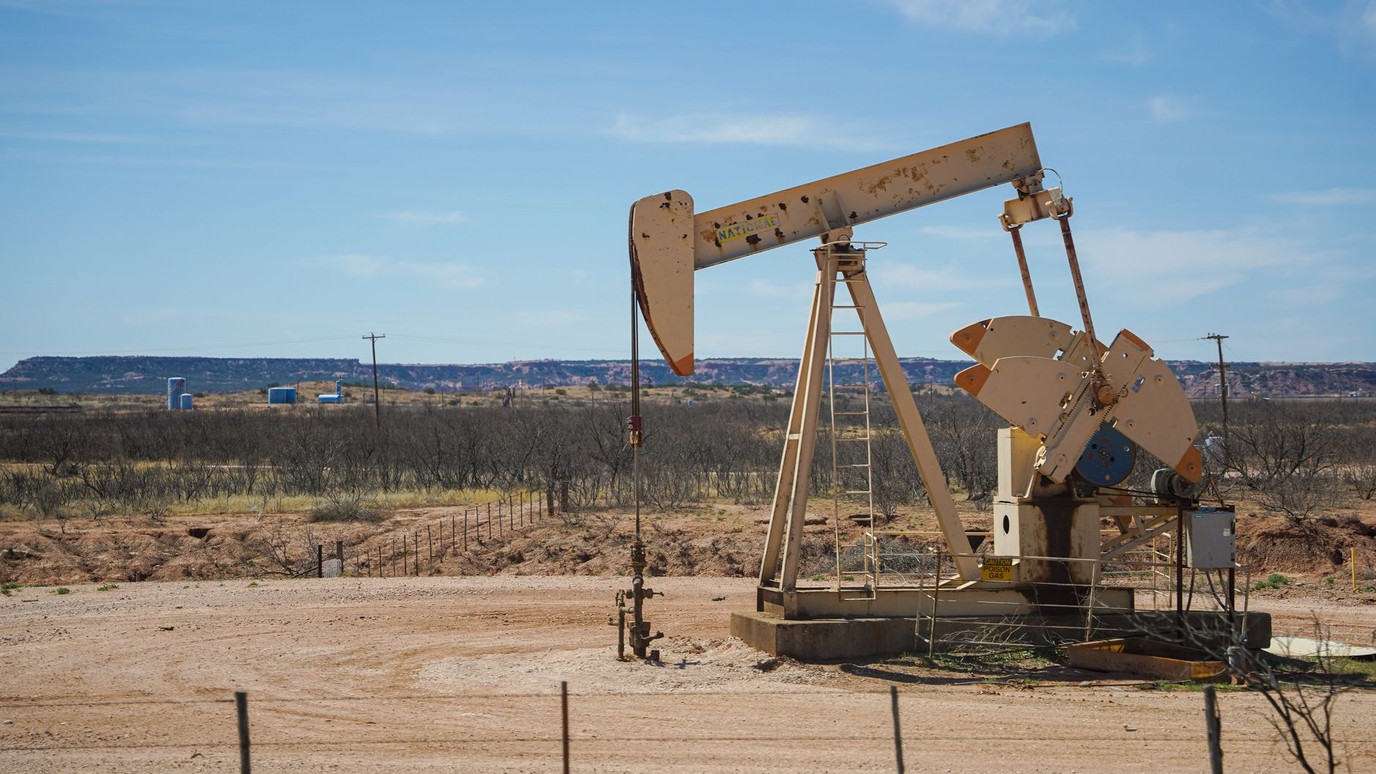
Energy work west of the divide has its own logistics. Pads sit at the end of long gravel lease roads. The turn off the county road may be fine and the last three miles may not be. Cell service is unreliable, so the person coordinating the delivery has to be easy to reach some other way, and the driver needs written directions rather than a dropped pin and hope.
We plan those deliveries carefully: route the trailer with the grades in mind, confirm the pad is big enough to place and level the unit without blocking rig traffic, and identify where the water and vacuum trucks will stage. On a working pad the shower unit cannot sit in the path of anything that moves, and it cannot sit where it will be buried when the location gets reworked.
Hitch schedules also change the sizing. A crew working two weeks on and two off with a shift change at the same hour creates a very sharp peak, and the crew change day doubles the headcount for a few hours as the outgoing and incoming crews overlap. We ask about that specifically, because it is the one day that makes a small setup look bad.
Construction and infrastructure work
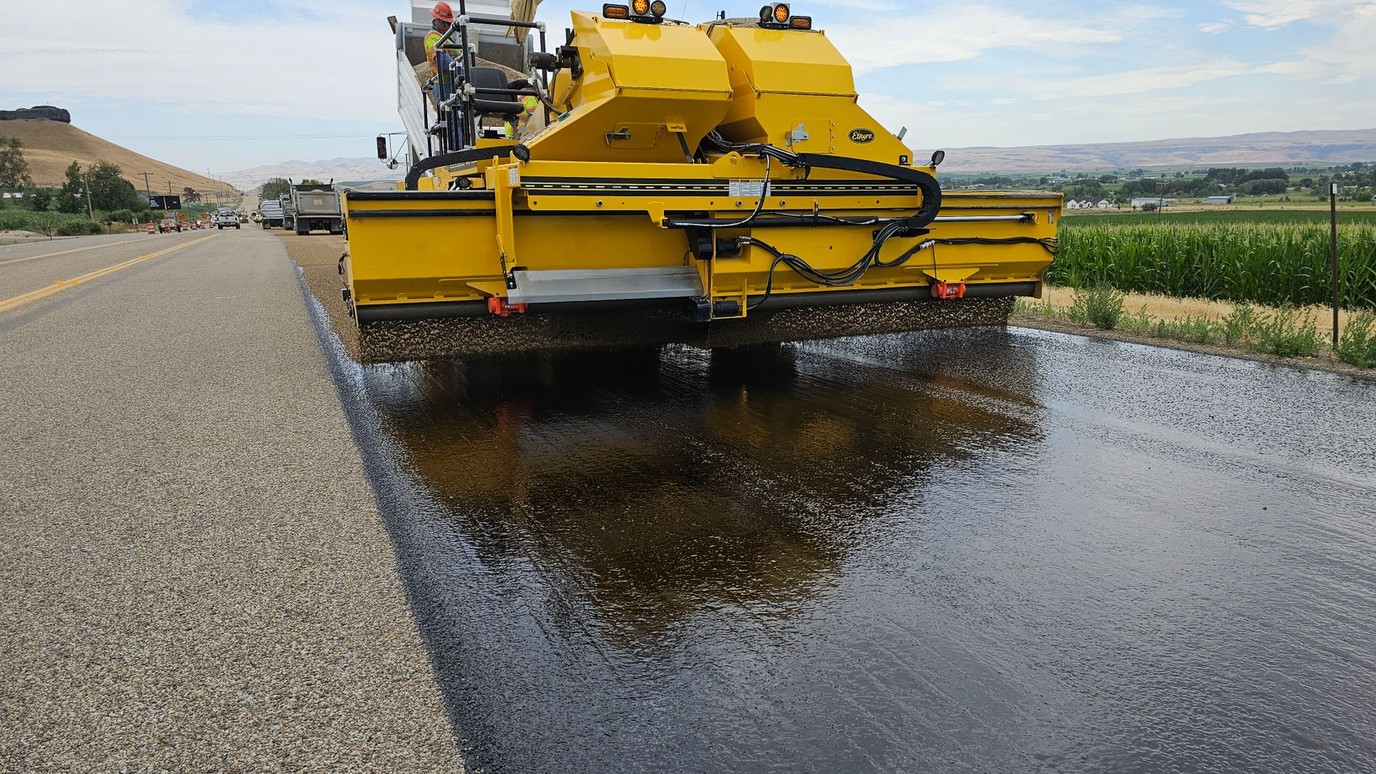
Construction placements run from tight urban laydown yards in the Denver and Englewood area to mountain corridor projects where the site is a road shoulder and a string of cones. Both work, and both have constraints.
- Urban and suburban sites. Space is the limit. We need a footprint the unit can occupy for months without being moved every time a delivery comes in, plus access for a service truck that is not blocked by a crane or a stack of materials.
- Mountain corridor jobs. Weather and access dominate. Winter closures, avalanche control and short work windows mean the placement plan has to account for the trailer being stuck there through a storm cycle.
- Long duration projects. Anything running past October needs the full winter setup: continuous power, protected water path, cleared access and a maintenance rhythm.
- Utility and pipeline spreads. These move. We talk about a relocation schedule up front rather than treating every move as a new mobilization.
On sites near Fort Collins, Grand Junction and Colorado Springs we can usually work with municipal water and a service panel. Once the job moves into the mountains or out onto the plains, assume nothing is there.
Ranch and ag crews
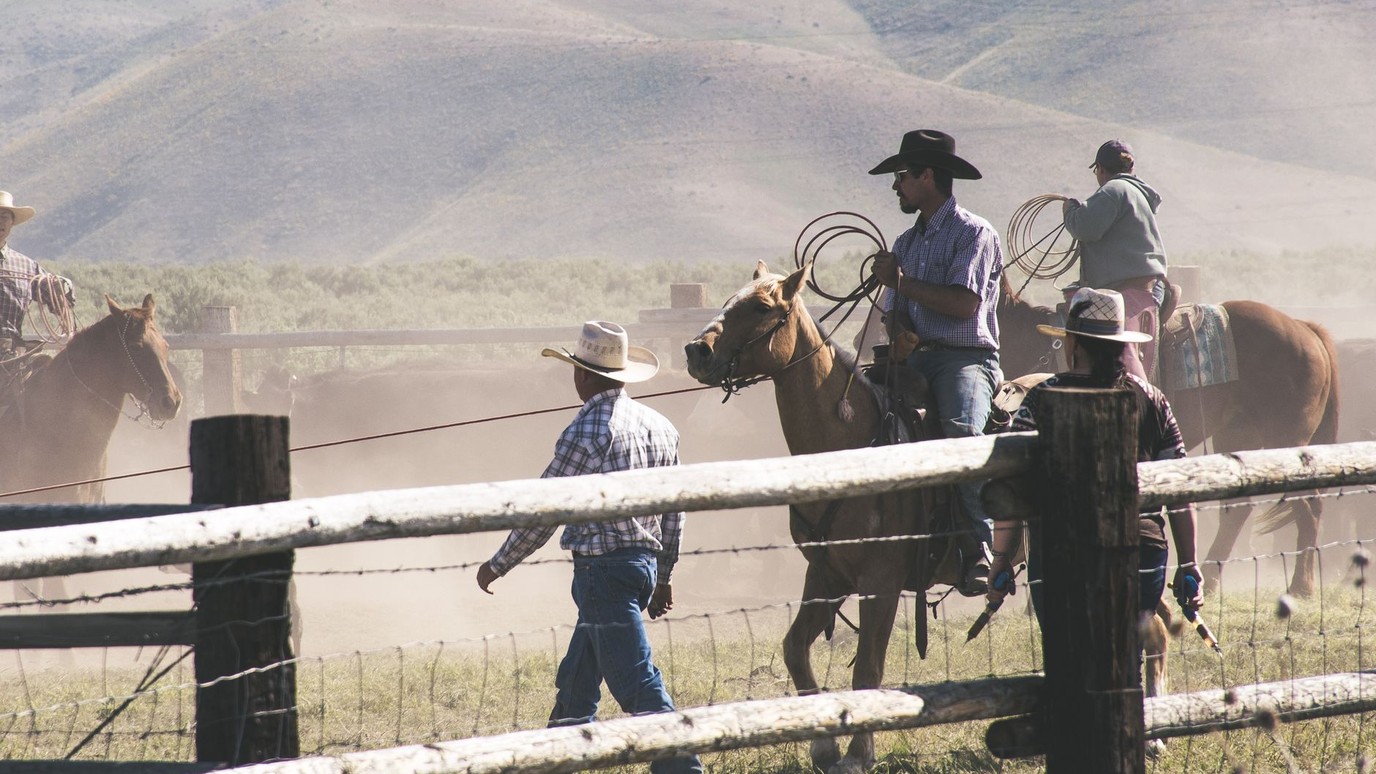
Ranch work is seasonal and intense. Calf season brings people out at all hours in cold weather. Branding and shipping days pull in neighbors and day help. Fence crews and hay crews live on the place for weeks. Harvest on the eastern plains and the fruit harvest on the Western Slope both bring in seasonal labor that needs somewhere to clean up, and the existing ranch headquarters usually has one bathroom built in 1962.
Ranch placements are often the easiest setups we do, because there is room, the ground is firm, and somebody on the place knows exactly where the water comes from. The complications are usually water quality and power. Well water varies a lot in Colorado, and hard or sediment heavy water is worth testing before a long placement. Power is often a long run from a barn, and we would rather size a generator than trust a marginal circuit.
We also plan around the season. A unit placed for calf season in February is a winter placement with everything that implies, even if the ranch is only at five thousand feet on the plains.
Sites with no utility hookups
Most of the jobs in this article have no water, no sewer and no power, and that is the normal case rather than the hard case. What it requires is that somebody owns each leg of the plan.
- Water. Bulk tank on site with a hauler on a schedule, or a fill from a permitted source nearby. We size the interval to real usage, then adjust after the first week of actual numbers.
- Power. Generator sized for the unit and the elevation, fueled on a schedule, and never shut off overnight in cold weather.
- Waste. Onboard holding pumped on a set cadence by a vacuum service that can physically reach the unit in all conditions.
- Supplies. Soap, towels if you want them, and the small supplies that quietly run out on day nine.
The first week of any long placement is a calibration period. Actual usage is almost never what the estimate said, so we check the numbers, adjust the water and pump schedules, and settle into a rhythm that does not need babysitting.
What the trailers give a crew
These are luxury mobile shower trailers, not a hose and a pallet. Private individual stalls with doors that lock, on demand hot water so the last person off shift gets a real shower, climate controlled interiors that matter in February and in August, and sinks and vanities with proper lighting and mirrors. ADA accessible units are available where a site needs one.
That standard does more work than people expect. A crew that has been handed decent facilities behaves differently toward the rest of the job. It shows up in how they treat the equipment, how they talk about the company, and whether they answer the phone for the next project.
Setting up a long term placement
- Site location with driving directions a stranger can follow without cell service
- Crew size, shift pattern, and any crew change days that double the headcount
- Expected duration and whether the placement crosses into winter
- Ground conditions, pad size, and who maintains access
- Water source and quality, power availability, waste service vendor
- Site rules: orientation, badge rules, safety requirements, gate hours
- One on site contact for delivery and one for the whole rental
We handle placements from short spreads to jobs that run a full year across Colorado, Denver to Durango, Fort Collins to Grand Junction, and most of the gravel in between. Tell us where the job is and what the crew looks like, and we will tell you honestly what it takes to keep showers running there.