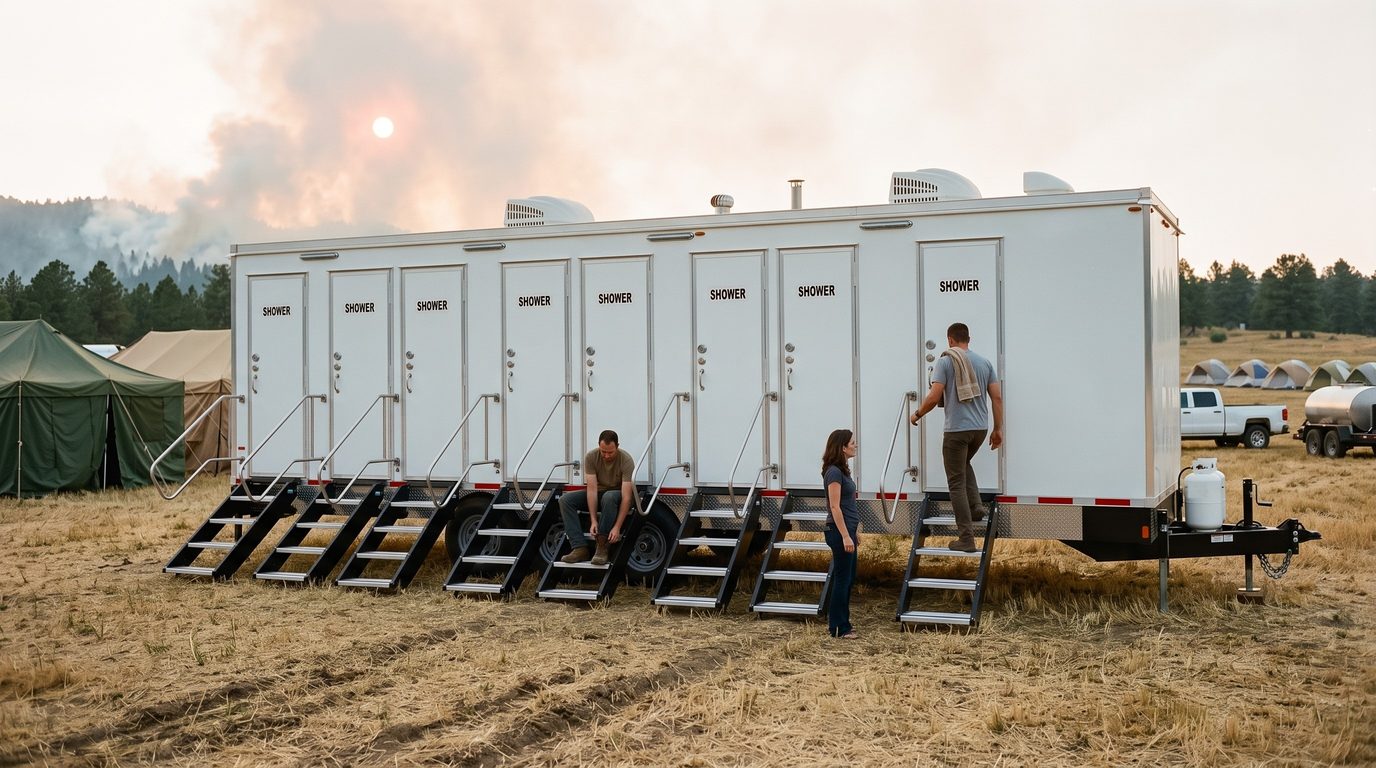
Fire season in Colorado stopped having a start date years ago. We have taken calls in March for a grass fire out on the eastern plains and calls in late October for timber burning in the high country above Ridgway. What does not change is the way a camp comes together. A few hundred people land on something like a high school parking lot in Pagosa Springs, and inside of a day that patch of ground has to work like a small town. Showers are part of that town. Here is how we run shower trailers for wildfire and emergency response across Colorado, and what incident managers, contractors and county emergency coordinators should know before they place the call.
What crews actually need at the end of a shift
A hand coming off a sixteen hour line assignment is carrying soot, ash, sweat and whatever the wind put on them. They are tired, they are usually cold by the time the sun drops behind the ridge, and they have to be back on the line early. The shower is not a luxury at that point. It is the thing that lets somebody sleep, and sleep is what keeps the crew safe the next day.
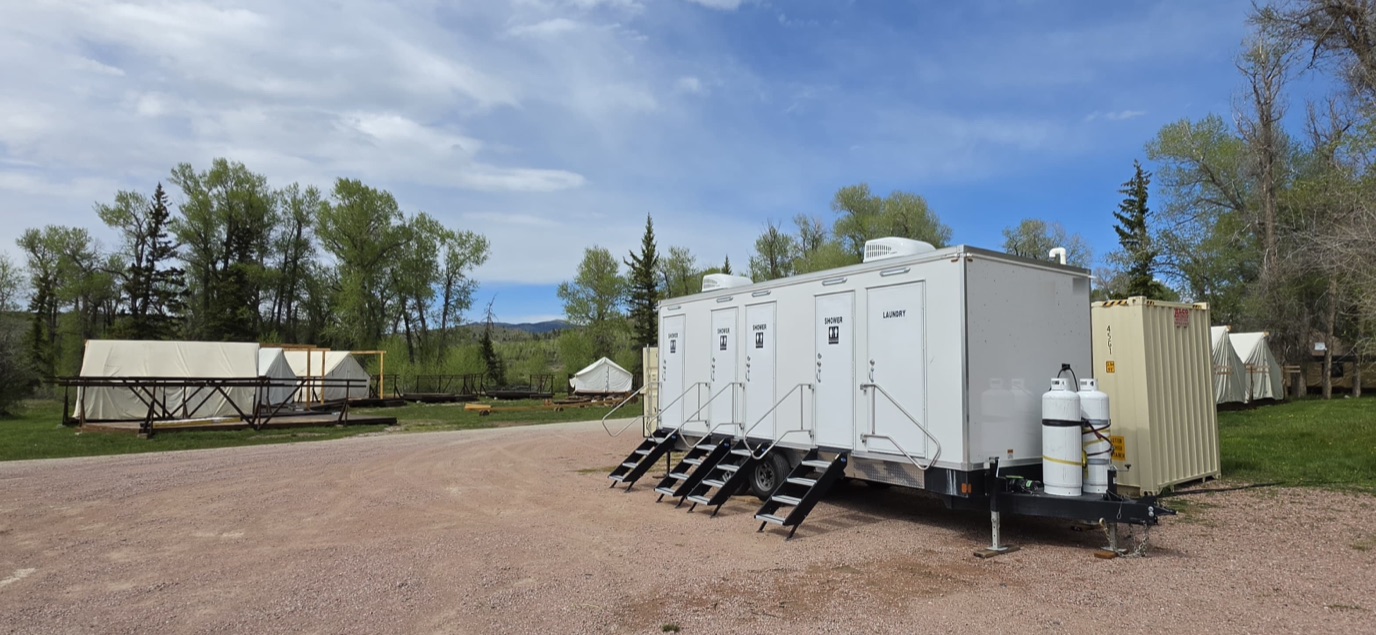
That is why we run luxury mobile shower trailers on incidents rather than the bare bones setups that used to be standard. Each unit has private individual stalls with a door that locks, on demand hot water so the last person in line gets the same shower as the first, climate controlled interiors, and sinks and vanities with mirrors and lighting so people can shave and clean up properly. ADA accessible units are available when the camp needs them, and on a long incident with support staff and command personnel we usually recommend planning for one.
Certificates of insurance on request.
Any town, quoted with a haul time.
Quotes and bookings on the call.
COCamp notes
Reviews from incident camps and emergency shower trailer rentals
Rated 5 out of 5
Two trailers on a school parking lot base camp, serviced every day for three weeks.
Rated 5 out of 5
The first thing they asked was when our evening briefing let out. That told me they had worked fire camps before.
Rapid deployment, and what rapid honestly means in Colorado
We stage so that we can cover the state, and we are straight with people about drive times. A unit heading from the Front Range to a fire in the San Juans near Durango is a long haul over passes, and anybody who promises you a four hour response to the southwest corner is guessing. What we can do is commit to a departure time, tell you the route we are taking, and keep you updated while the driver is rolling.
For incidents near Denver, Englewood, Fort Collins, Grand Junction or Colorado Springs, same day placement is usually realistic if the call comes in early enough. Grand Junction and the Western Slope, Colorado Springs and the southeast, and the mountain counties all take longer, and weather can stretch that. During red flag stretches we pre position units where the forecast says trouble is coming, which is the single biggest thing that cuts response time.
Getting a trailer to a remote mountain camp
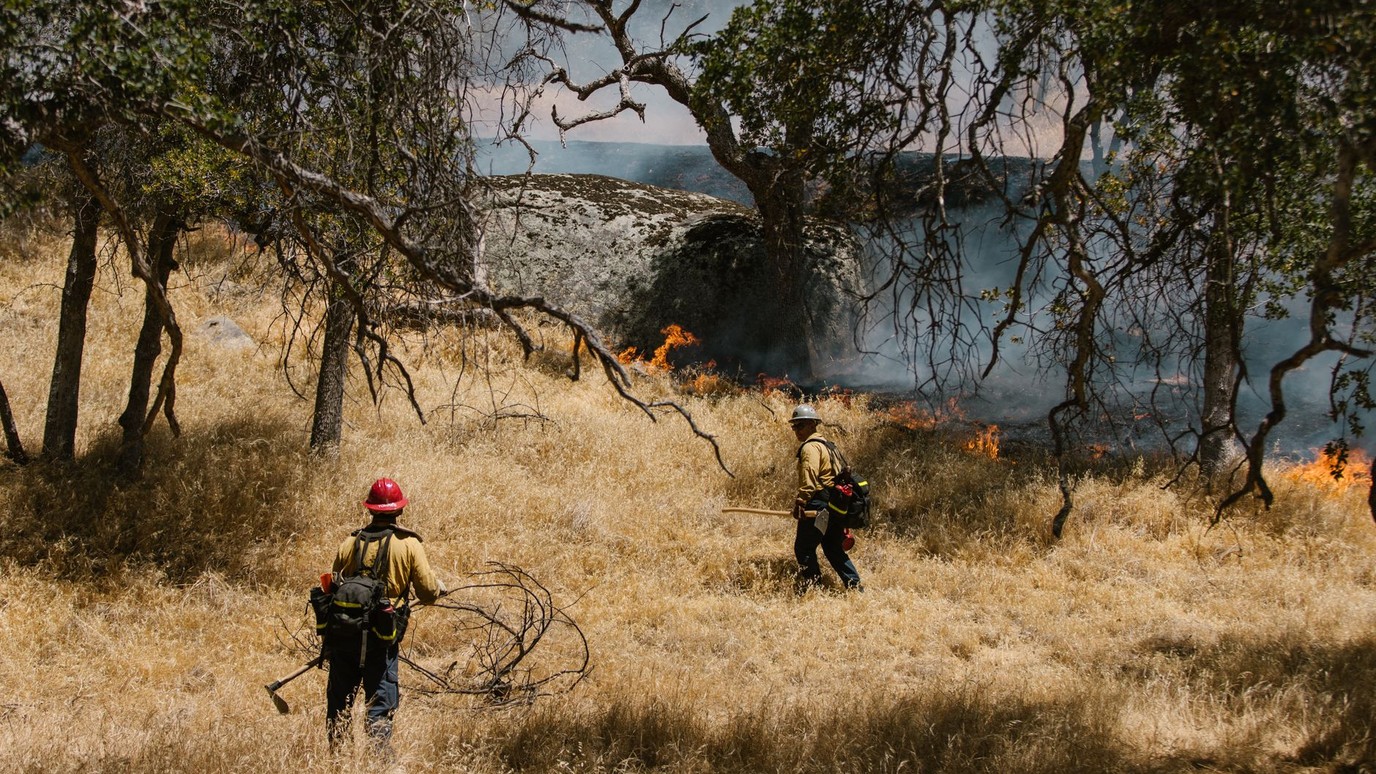
This is where most of the real problems live. A shower trailer is a long, heavy tow, and a lot of Colorado fire country is reached by roads that were built for pickups and water tenders. Before we commit to a location we want to know about grade, how tight the turns are, road surface, overhead clearance from tree limbs and power lines, and whether there is a place to turn around at the far end.
- Grade and length. Sustained climbs on loose gravel are hard on a tow vehicle and harder on the way back down. We plan the route, not just the destination.
- Turnarounds. Backing a long trailer a quarter mile down a one lane forest road in the dark is how equipment gets damaged. We need a place to swing it.
- Ground. Firm and reasonably level beats scenic every time. Decomposed granite and packed gravel are good. Soft meadow and fresh fill are not, especially after an afternoon storm.
- Clearance. Low limbs on a forest road will take out a roof vent. Somebody should drive the route in a tall vehicle first.
Water, power and waste when nothing is hooked up
Most fire camps have no utilities at all. That is normal for us, and it just means the support plan has to be built before the trailer arrives.
Water can come from a hauler on a schedule carrying water that meets Colorado drinking water standards, from a bulk tank staged next to the unit, or from a hydrant meter if the camp is in town at a fairgrounds or school. Power is usually a generator, either the camp's or one we bring, sized for the unit and placed far enough away that the noise does not sit on top of the sleeping area. Waste goes to onboard holding and gets pumped by a vacuum truck on a set schedule, and on a busy camp that schedule is daily or better.
The mistake we see most often is treating water in and waste out as separate problems handled by separate vendors who never talk to each other. We would rather sit down with the logistics chief once at the start and agree on who is hauling what, when they arrive, and who gets the call if a truck is late. Showers on an incident fail because of a missed pump out far more often than they fail because of equipment.
Sizing to the crew rotation
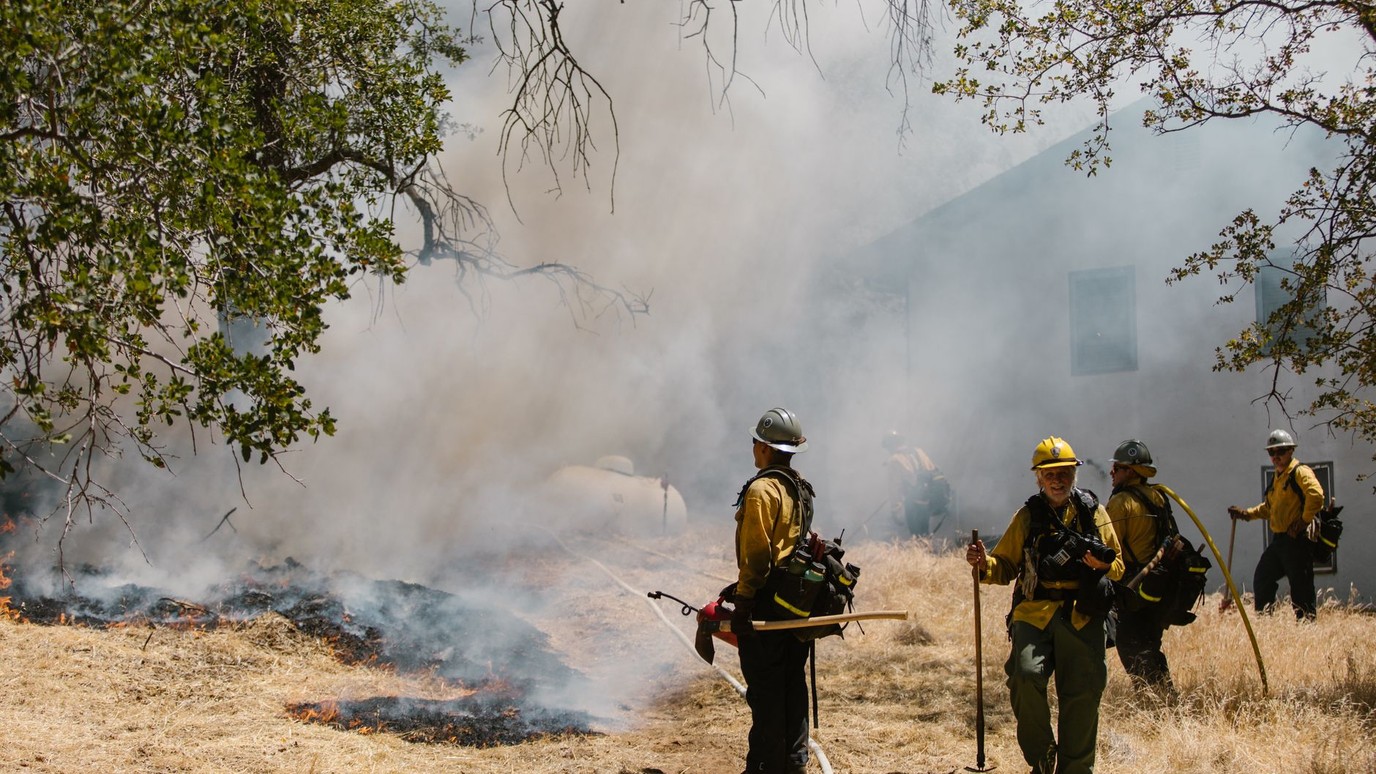
Raw headcount is the wrong number to plan from. What matters is how many people want a shower in the same ninety minute window. On most incidents that is right after the evening briefing as crews come off the line, with a smaller push before the morning rotation goes out.
We ask for the shift structure, not just the census. If three crews come off at once, the camp needs more stalls or a staggered release. If the camp runs a day rotation and a night rotation, the same equipment can carry a much larger headcount because the peaks are spread out. A short conversation about timing usually saves an incident from renting more equipment than it needs.
Servicing an incident that runs for weeks
A two week incident is a different animal than a weekend call. We build a daily service cycle into the contract: clean and wash down the stalls and vanities, restock supplies, check the water heaters and pumps, confirm the waste level, and log it. On the larger camps we staff an attendant so that somebody is watching the unit through the peak hours instead of discovering a problem the next morning.
The calls that are not fires
Wildfire is the headline, but emergency work in Colorado covers a lot of ground. Spring runoff and flash flooding take out water systems in mountain towns. A hard freeze breaks mains and leaves whole neighborhoods without service. Blizzards on the plains strand crews and fill shelters. Utility outages, mud slides on the mountain corridors, and post fire debris flows all generate the same basic need, which is a warm, clean, private place for responders and displaced residents to get cleaned up.
Those jobs tend to be in town, which makes utilities easier, and they tend to be cold, which makes freeze protection the priority. We handle both the same way: figure out the support plan first, then place the equipment.
What to have ready when you call us
- The exact staging location, with coordinates or a pin, plus how a tow vehicle gets there
- Expected headcount and the shift rotation, not just a total
- Expected duration, even if it is a rough range
- Whether water, power and waste service exist or need to be arranged
- Ground conditions at the pad and recent weather
- A named point of contact who will actually be on site when the driver arrives
- Any agency paperwork or vendor setup we need to complete before we roll
Give us those seven things and we can usually have a unit committed and moving the same conversation. Colorado emergency work rewards people who plan the boring parts early, because the interesting parts take care of themselves once the equipment is on the ground and serviced.