
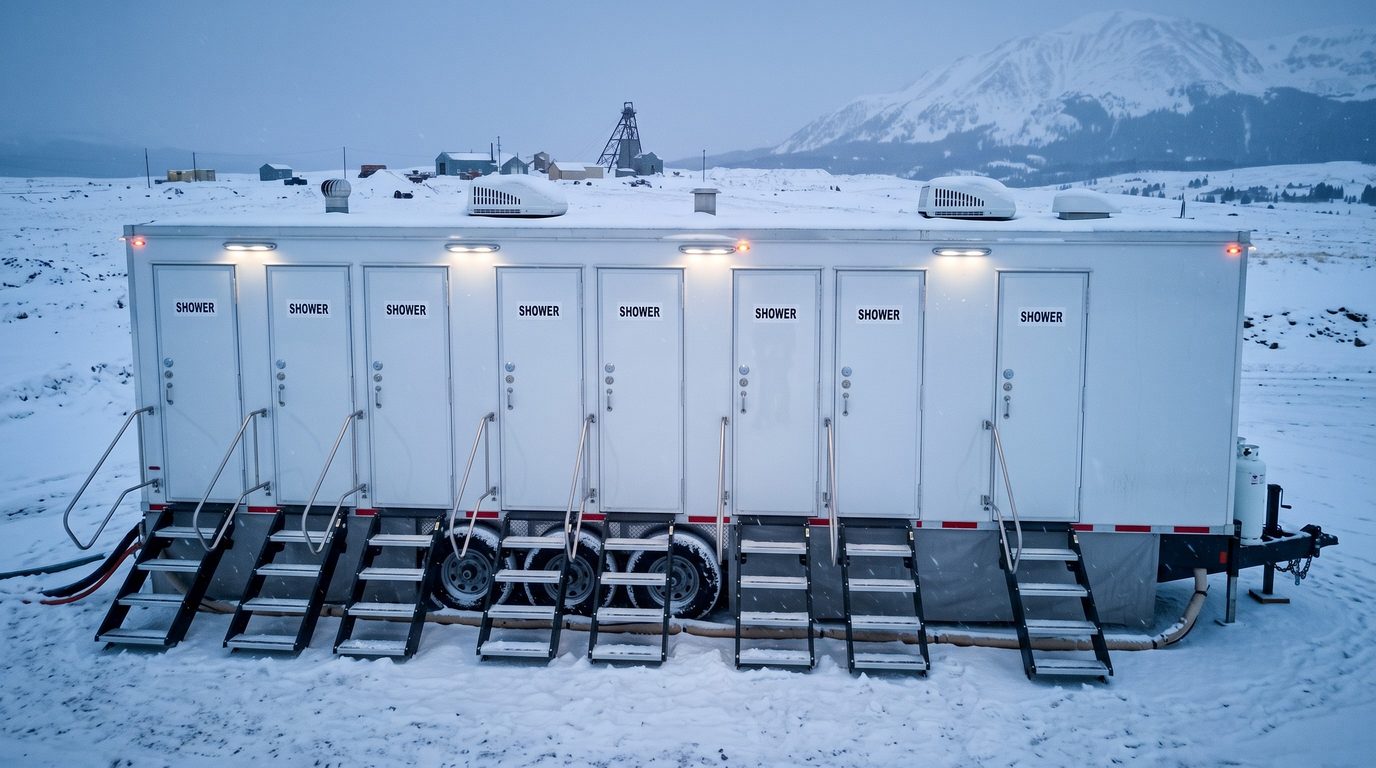
Anybody can put a shower trailer on a jobsite in July. Colorado separates the serious rental companies in January, at eight or nine thousand feet, when the overnight low sits well below zero and the wind is moving. We have run units through winters in the mountains and on the plains for years now, and almost every hard lesson came from cold. Here is what actually keeps a shower trailer running through a Colorado winter, what we do to the equipment, and what a site has to provide before we will place a unit in deep cold.
What cold does to a shower trailer
Water expands when it freezes, and it does not care what it is inside of. In a shower trailer the vulnerable points are the supply line from the site connection, the pump, the water heater, the distribution piping, the fixtures inside each stall, the drains, and the waste line running out to the tank or the sewer connection. Freeze any one of those and the unit is down.
The freeze usually does not happen in the middle of the night at the coldest hour. It happens in the early morning after the site has been quiet for eight hours and nothing has moved through the lines. It also happens at the ends, meaning the exposed hose lying on the ground and the last few feet of drain, which are the parts furthest from any heat source and the parts people forget about.
Certificates of insurance on request.
Any town, quoted with a haul time.
Quotes and bookings on the call.
COCold weather notes
Reviews from cold weather trailer rentals at altitude
Rated 5 out of 5
It hit eighteen below one night at our Fairplay site and nothing froze. The overnight instructions were the reason.
Rated 5 out of 5
Skirting and heat trace were in the quote from the start instead of added later. First winter rental I did not have to babysit.
How we protect a unit for winter
Freeze protection is layered. No single measure carries a Colorado winter by itself.
- Continuous interior heat. The trailer stays heated, not heated on demand. Letting the interior swing down to ambient between uses is what cracks fixtures.
- Heated and insulated utility compartments. The plumbing bay is where the pump, heater and distribution piping live, and it gets treated as living space, not storage.
- Heat traced and insulated lines. The supply hose and the waste line get heat tape and insulation, with the heat tape actually plugged in and verified, which is the step that gets skipped.
- Skirting. Blocking wind from getting under the trailer makes a bigger difference than most people believe. Moving air under the floor pulls heat out of the undercarriage fast.
- Keeping water moving. On the coldest nights a small, deliberate flow through the system beats a static column of water sitting in a line.
- A real drain down procedure. If a unit is going to sit unused without electricity, it gets drained properly and blown out. Half measures here cost more than anything else on the list.
What altitude changes
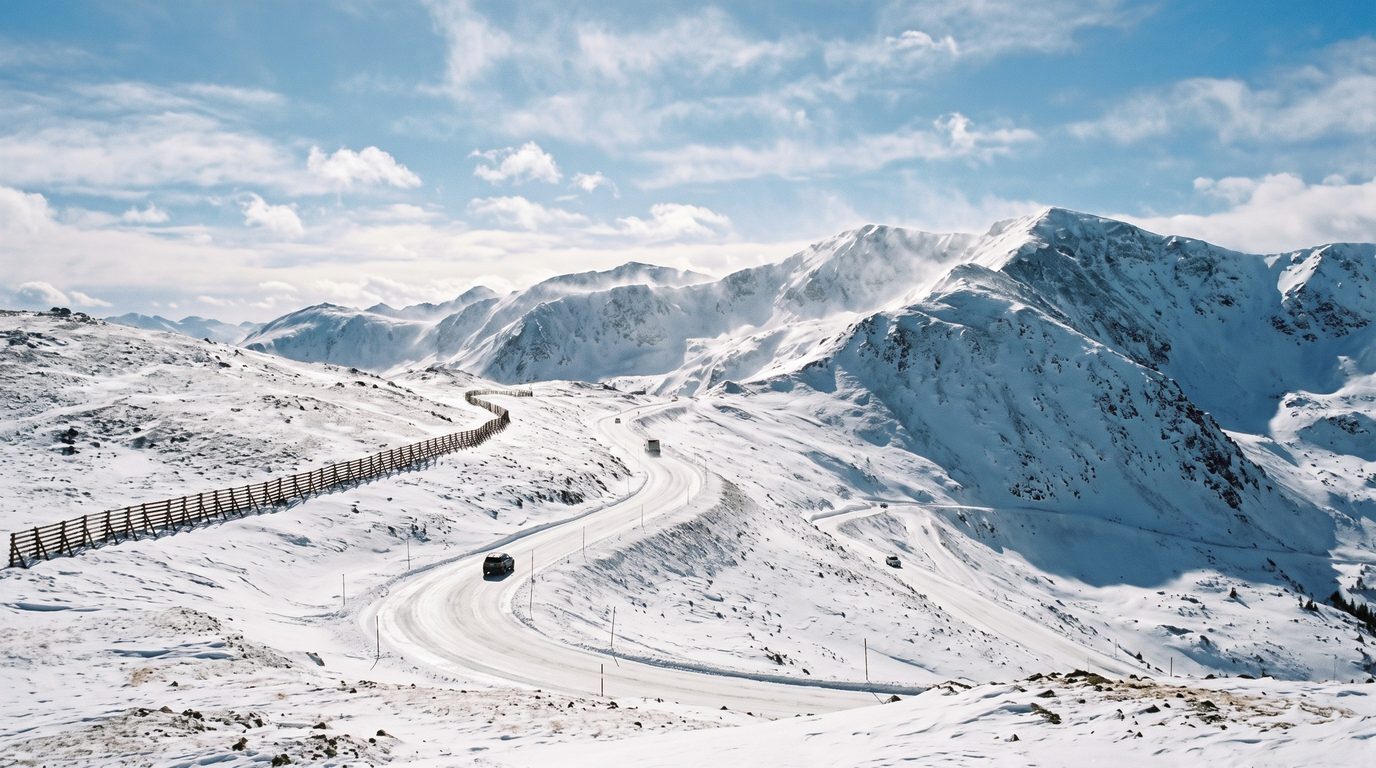
A lot of Colorado work happens between six thousand and eleven thousand feet, and altitude quietly changes the behavior of everything that burns fuel or pushes air.
Combustion appliances lose output as the air gets thin, so a water heater that performs one way near Colorado Springs performs differently at a ski area job above Ridgway. Generators without a turbo lose output as elevation climbs, which means the generator that ran a unit fine on the plains may be marginal at a high mountain site. We size and configure for the elevation the unit is actually going to, and when a customer supplies the generator we ask what it is rated at and where it has been running.
Mountain access in winter
Placement in winter is a different job than placement in summer, and the deciding factor is almost never the trailer. It is the road and the pad.
We want a cleared approach with room for a tow vehicle to work, and we want to know who is responsible for clearing it for the length of the rental. A pad that gets cleared once for delivery and then forgotten becomes impossible to reach for service two storms later. We also want the unit placed so a plow can get around it without burying the utility side or piling a berm against the door.
- Pick the sunny side. A north facing pocket in the trees at nine thousand feet holds ice from November to April. Southern exposure does real work for you.
- Watch the drip line. Do not park under a roof edge, a rock face, or anything that sheds snow. A slide off a metal roof will destroy equipment.
- Keep the approach flat. Frozen gravel is fine. A frozen grade with a trailer on it is not.
- Think about the exit. The trailer has to come out eventually, often in the worst conditions of the season. If the only way out is a road that closes, plan around it.
- Traction at the door. Steps and the landing area ice up from shower runoff and tracked snow. Sand, mats and a bag of ice melt at the unit are cheap and prevent injuries.
We chain up when we need to, we watch the pass forecasts, and we will postpone a delivery rather than put a driver and a trailer on a closed corridor. Customers who build a day of slack into a winter delivery almost never have a problem.
What a site has to provide in deep cold
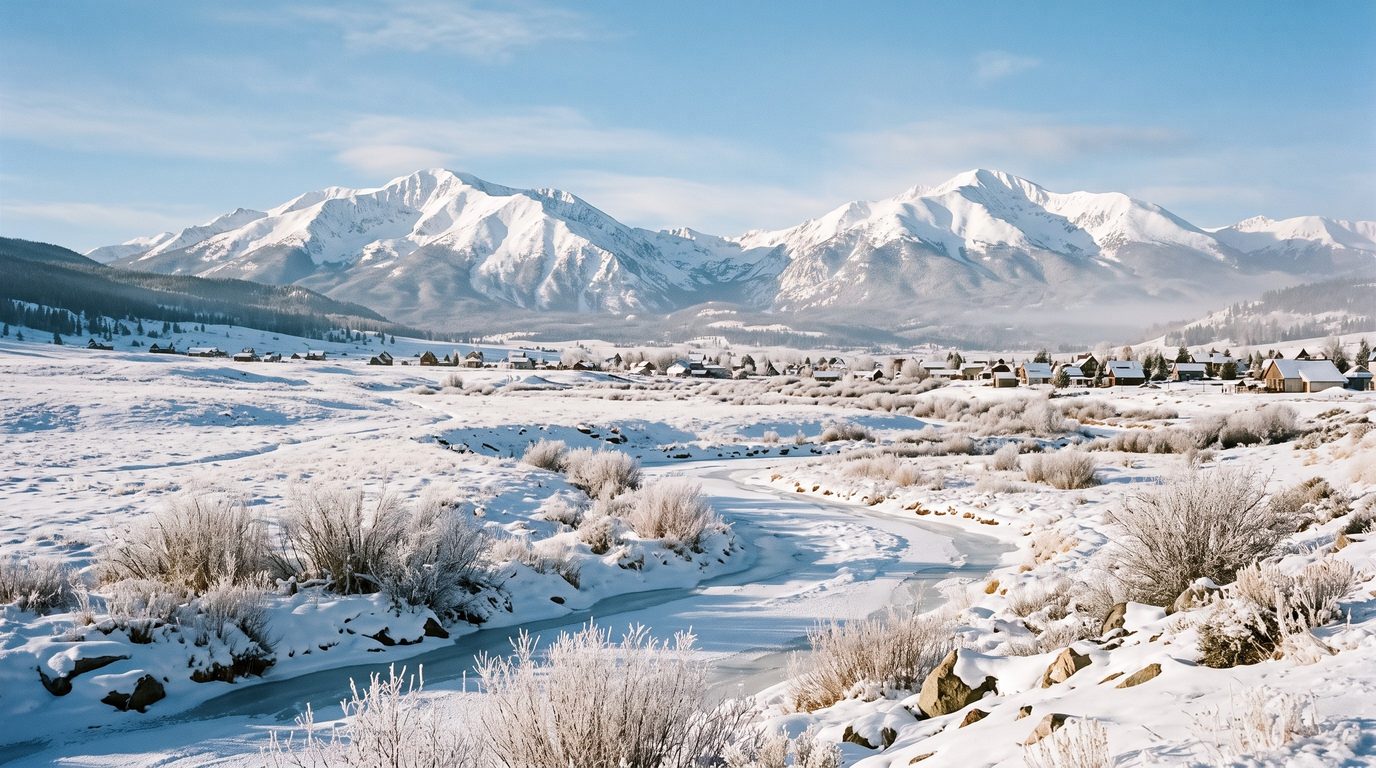
Winter placement has a short list of requirements. Power has to be continuous and reliable, because every layer of freeze protection depends on it. A generator that gets shut off at the end of the shift to save fuel will freeze a trailer by morning, and that is the single most common cause of a winter failure we see.
The water source has to be protected too. At ten thousand feet in Leadville, the source we trust most is a heated tank on the unit, topped up on a winter hauling schedule. A hose with no insulation lying in the snow is what fails. And the waste plan has to account for pump trucks in winter conditions, which means the service vehicle needs the same cleared access the delivery truck had.
We walk through all of this before a winter rental starts, and we put it in writing. It is not paperwork for its own sake. It is the list of things that, if any one of them slips for a single night, ends with a frozen unit and a crew with nowhere to clean up.
Ski country and seasonal staff
Resort towns have their own version of this problem. Seasonal housing fills up, construction crews and lift maintenance teams show up in numbers the town cannot absorb, and hotel rooms are priced for visitors. Shower trailers show up at staff housing sites, employee parking areas, and contractor camps in and around the resort corridors, and those placements run for months rather than days.
Long winter placements need a maintenance rhythm: regular service visits, someone on site who knows how to check the heat tape and the interior temperature, and a clear phone number for the 2 a.m. call. We would much rather get a call at 10 p.m. about a heater acting strange than a call at 7 a.m. about a unit that is solid.
Mud season, which is its own hazard
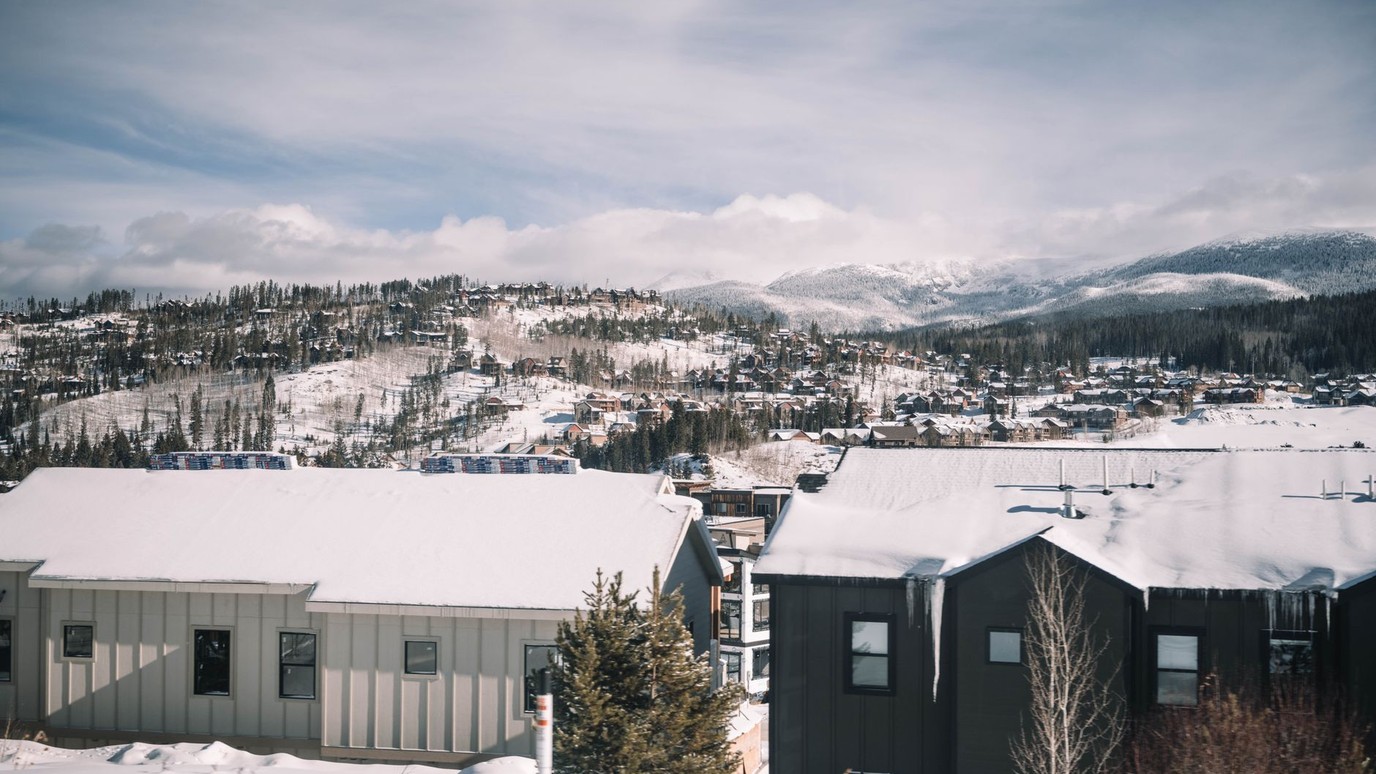
Colorado's fifth season runs roughly from late March into May, and it wrecks more placements than deep cold does. Ground that held a loaded trailer in February turns to soup in April as the frost comes out. We have seen firm gravel pads swallow a tire in a week of warm afternoons.
The answer is planning the placement for the ground's worst condition, not the condition on delivery day. That means gravel or road base under the unit, cribbing under the jacks, and a realistic conversation about whether the recovery truck will be able to get to the same spot in six weeks. Sites near Grand Junction, Fort Collins and the Western Slope river bottoms are especially prone to this.
What winter actually comes down to
Winter operation in Colorado comes down to three things: uninterrupted heat and power, a protected water path from the source all the way to the drain, and access that stays open for service and recovery. Everything else on this page is a detail of those three. Get them right and a shower trailer will run all winter at altitude without drama, which is exactly how it should be.